In the context of green buildings in India, HVAC (Heating, Ventilation, and Air Conditioning) systems play a critical role. Here’s a detailed explanation of their importance and how they contribute to sustainable building practices:
HVAC’s Significance in Green Buildings:
-
Energy Consumption Culprit: HVAC systems are responsible for a significant portion of a building’s energy use, often accounting for 50-60% in commercial buildings in India. This makes them a prime target for optimization in green building strategies.
-
Impact on Green Building Rating: Meeting green building certification standards like LEED (Leadership in Energy and Environmental Design) or IGBC (Indian Green Building Council) requires efficient HVAC systems. These certifications promote sustainable design, construction, and operation practices.
Strategies for Green HVAC in India:
-
Passive Design Principles: The first step is to minimize the need for mechanical heating and cooling. This can be achieved through:
- Building orientation: Strategically positioning the building to maximize natural light and ventilation reduces reliance on artificial lighting and air conditioning.
- Shading devices: Overhangs, blinds, or vegetation can help block unwanted solar heat gain.
- High-performance building envelope: Proper insulation, windows, and air sealing minimize heat transfer between the indoors and outdoors.
-
Energy-Efficient HVAC Equipment: Selecting high-efficiency equipment with features like variable-speed drives and inverter technology can significantly reduce energy consumption. Look for equipment with high Indian Seasonal Energy Efficiency Ratio (ISEER) ratings for cooling and Indian Seasonal Performance Factor (ISPF) ratings for heating.
-
Smart Controls and Building Automation: Implementing intelligent controls and automation systems allows for optimized operation. Occupancy sensors can automatically adjust temperature settings when spaces are unoccupied. Building Management Systems (BMS) can integrate various systems for overall energy efficiency.
-
Renewable Energy Integration: Consider exploring renewable energy sources like solar power to generate electricity for the HVAC system. This can significantly reduce dependence on fossil fuels and the associated environmental impact.
-
Natural Ventilation Strategies: When possible, utilize natural ventilation strategies like cross ventilation and stack ventilation to take advantage of India’s specific climate conditions. This can reduce reliance on mechanical ventilation systems.
-
Green Refrigerants: Traditional refrigerants can have a negative impact on the environment. Opting for eco-friendly refrigerants with lower Global Warming Potential (GWP) is a responsible approach.
Benefits of Green HVAC in India:
-
Reduced Energy Consumption and Costs: Implementing these strategies can lead to significant energy savings, lowering your operational costs and environmental footprint.
-
Improved Indoor Air Quality: Proper ventilation and filtration systems ensure a healthy and comfortable indoor environment for occupants.
-
Enhanced Building Sustainability: A green HVAC system contributes to achieving green building certifications, increasing the value and marketability of your property.
Conclusion:
By prioritizing a green approach to HVAC systems in your building, you can contribute to a more sustainable future for India’s built environment. It’s a win-win situation, leading to energy savings, a healthier indoor environment, and a more sustainable building.
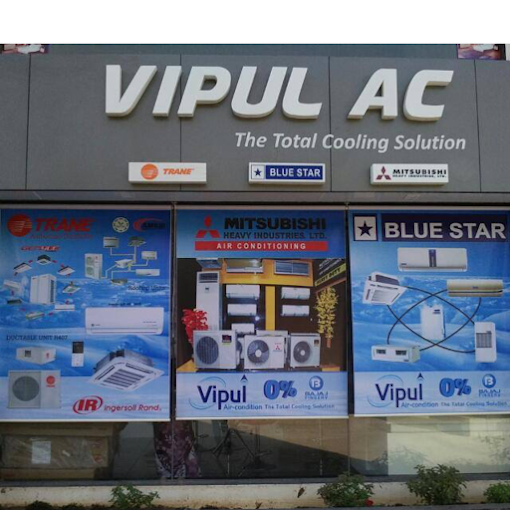
Looking to install a commercial HVAC System or Duct work in your Business Area?
Contact Vipul Ac to learn about our HVAC Service
Call +91 9825636606 Today.