
An HVAC (Heating, Ventilation, and Air Conditioning) system comprises various components and equipment designed to regulate indoor temperature, humidity, and air quality. Here is a detailed list of the key HVAC equipment and their functions:
1. Heating Equipment
Furnace
- Description: A device that heats air using gas, oil, or electricity.
- Components: Burner, heat exchanger, blower, flue, and control system.
- Function: Burns fuel to generate heat, which is then distributed through ductwork.
Boiler
- Description: Heats water for radiant heating systems or hot water supply.
- Components: Burner, heat exchanger, pumps, expansion tank, and controls.
- Function: Burns fuel to heat water, which is circulated through radiators or radiant floor systems.
Heat Pump
- Description: Transfers heat from the outside air or ground into the building.
- Components: Compressor, condenser, evaporator, expansion valve, and reversing valve.
- Function: Provides heating by extracting heat from outside and moving it indoors.
2. Cooling Equipment
Air Conditioner
- Description: Removes heat from indoor air to cool the space.
- Components: Compressor, condenser coil, evaporator coil, expansion valve, and refrigerant.
- Function: Absorbs heat from indoor air and releases it outside, cooling the indoor air.
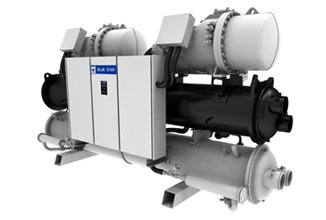
Chiller
- Description: Produces chilled water for air conditioning systems.
- Components: Compressor, evaporator, condenser, expansion valve, and water pump.
- Function: Cools water, which is then circulated through air handling units or fan coils.
3. Ventilation Equipment
Air Handling Unit (AHU)
- Description: Regulates and circulates air within the HVAC system.
- Components: Fan, filter, heating and cooling coils, dampers, and humidifier.
- Function: Mixes fresh and recirculated air, conditions it, and distributes it through the building.
Rooftop Unit (RTU)
- Description: A self-contained AHU located on the roof.
- Components: Similar to AHU but typically includes heating and cooling equipment.
- Function: Conditions and distributes air for the entire building, suitable for commercial spaces.
Energy Recovery Ventilator (ERV)
- Description: Transfers heat and moisture between incoming and outgoing air streams.
- Components: Heat exchanger, fans, filters, and controls.
- Function: Improves energy efficiency by recovering energy from exhaust air.
Exhaust Fans
- Description: Removes stale air from the building.
- Components: Motor, fan blades, housing, and vent.
- Function: Ventilates areas with high humidity or contaminants, like kitchens and bathrooms.
4. Humidity Control Equipment
Humidifier
- Description: Adds moisture to the air.
- Components: Water supply, evaporative pad or steam generator, fan, and controls.
- Function: Maintains indoor humidity levels to prevent dryness.
Dehumidifier
- Description: Removes moisture from the air.
- Components: Compressor, evaporator coil, condenser coil, and water collection tank.
- Function: Reduces indoor humidity to prevent mold and discomfort.
5. Air Quality Equipment
Filters
- Description: Removes particulates from the air.
- Types: Fiberglass, pleated, HEPA, activated carbon.
- Function: Improves indoor air quality by trapping dust, pollen, and other pollutants.
Air Purifier
- Description: Cleans the air by removing pollutants.
- Components: Filters, UV lights, ionizers, and fans.
- Function: Reduces airborne contaminants, allergens, and pathogens.
6. Ductwork and Distribution
Ducts
- Description: Channels through which air flows.
- Types: Flexible, rigid, and semi-rigid ducts.
- Function: Distributes conditioned air throughout the building.
Diffusers and Grilles
- Description: End points of the duct system where air is released or returned.
- Function: Evenly distribute or collect air in rooms.
7. Control Systems
Thermostats
- Description: Devices that regulate temperature settings.
- Types: Mechanical, digital, programmable, and smart thermostats.
- Function: Allows users to set and maintain desired temperatures.
Building Management System (BMS)
- Description: Centralized control system for monitoring and managing HVAC and other building systems.
- Components: Sensors, controllers, software.
- Function: Optimizes energy usage, maintains comfort, and provides diagnostic information.
8. Additional Equipment
Heat Exchanger
- Description: Transfers heat between two or more fluids.
- Types: Plate, shell and tube, finned tube.
- Function: Improves efficiency by recovering heat.
Compressor
- Description: Increases the pressure of the refrigerant in the cooling cycle.
- Function: Essential for refrigeration and air conditioning systems.
Expansion Valve
- Description: Regulates the flow of refrigerant into the evaporator.
- Function: Controls the refrigeration cycle.
Summary
Here is a summary of the primary HVAC equipment:
- Heating Equipment:
- Furnace
- Boiler
- Heat Pump
- Cooling Equipment:
- Air Conditioner
- Chiller
- Ventilation Equipment:
- Air Handling Unit (AHU)
- Rooftop Unit (RTU)
- Energy Recovery Ventilator (ERV)
- Exhaust Fans
- Humidity Control Equipment:
- Humidifier
- Dehumidifier
- Air Quality Equipment:
- Filters
- Air Purifier
- Ductwork and Distribution:
- Ducts
- Diffusers and Grilles
- Control Systems:
- Thermostats
- Building Management System (BMS)
- Additional Equipment:
- Heat Exchanger
- Compressor
- Expansion Valve
By understanding these components and their functions, you can appreciate the complexity and capabilities of modern HVAC systems in providing a comfortable and healthy indoor environment.

Looking to install a commercial HVAC System or Duct work in your Business Area?
Contact Vipul Ac to learn about our HVAC Service
Call +91 9825636606 Today.
Logistics and international shipping is already complicated but when building materials are concerned, It’s pure chaos. That’s where we step in. We deliver fast, accurate information with razor-sharp transparency. Your shipments, your dollars, your data, all handled with precision and care. Bad news happens, but surprises don’t—not with us! We’re not perfect, but we always exceed our clients’ expectations. We handle a range of logistic services across many industries, but building materials are our specialty! When you need solutions from Reliable Experts with Reliable Execution—you need Rely-Ex Solutions. Email us at mailto:otto@shiprelyex.com for a quote for your next building materials shipment and you’ll see why this message was such a blessing! our website is https://www.shiprelyex.com