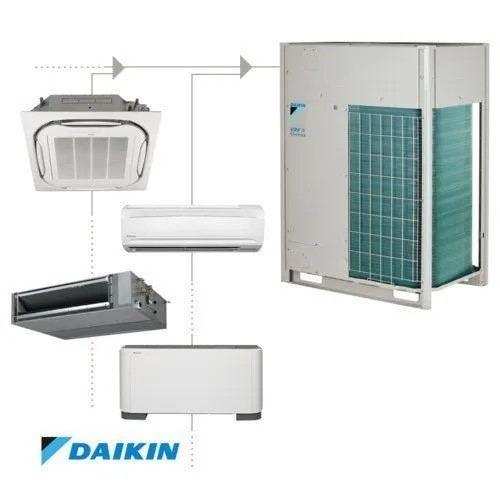
What does AHU do in HVAC? An Air Handling Unit (AHU) is a crucial component in Heating, Ventilation, and Air Conditioning (HVAC) systems. Its primary function is to regulate and circulate air as part of the HVAC system. Here’s a detailed breakdown of what an AHU does:
1. Air Intake and Mixing
- Outside Air Intake: The AHU pulls in fresh air from the outside environment to ensure adequate ventilation, maintaining indoor air quality.
- Return Air Intake: It also pulls in return air from the building, which is air that has already been circulated through the space.
- Mixing Chamber: The AHU typically includes a mixing chamber where outside air and return air are mixed to achieve a desired temperature and humidity level.
2. Filtration
- Air Filters: The mixed air passes through filters to remove dust, pollen, and other particulates. This helps in maintaining air quality and protecting downstream components.
3. Heating and Cooling
- Heating Coils: These coils heat the air as it passes over them. They can be either electric coils or use hot water/steam from a boiler.
- Cooling Coils: Cooling coils reduce the temperature of the air. They typically use chilled water from a chiller or refrigerant from a cooling system.
- Heat Exchangers: In some AHUs, heat exchangers use to transfer heat between the incoming fresh air and the outgoing exhaust air, improving energy efficiency.
4. Humidification and Dehumidification
- Humidifiers: These add moisture to the air if the air is too dry, maintaining a comfortable humidity level.
- Dehumidifiers: Conversely, dehumidification is achieved by cooling the air to the point where excess moisture condenses out, then reheating it to the desired temperature.
5. Blower/Fan
- Supply Fan: The AHU has a fan or blower that moves the conditioned air through the ductwork and into the occupied spaces.
- Return Fan: In some systems, a return fan may be use to draw return air back into the AHU or exhaust it out of the building.
6. Controls and Sensors
- Temperature Sensors: These monitor the temperature of the air at various points within the AHU and the spaces being served.
- Humidity Sensors: These sensors measure the humidity levels of the air.
- Control Systems: The AHU is typically integrated with a Building Management System (BMS) or Direct Digital Control (DDC) system to control all the components based on the readings from the sensors, ensuring the air is conditioned to the required levels.
7. Distribution
- Ductwork Connection: The conditioned air distributes throughout the building via ductwork connected to the AHU. The duct system includes supply ducts that carry air to the spaces and return ducts that bring air back to the AHU.
8. Energy Recovery
- Energy Recovery Ventilators (ERV): Some AHUs include ERVs or Heat Recovery Ventilators (HRV) to improve energy efficiency by recovering heat or cooling from the exhaust air and transferring it to the incoming fresh air.
Summary
An AHU is an integral part of an HVAC system that handles several critical functions:
- Ventilation: Bringing in fresh air and expelling stale air.
- Filtration: Removing contaminants from the air.
- Thermal Conditioning: Heating and cooling the air to maintain desired indoor temperatures.
- Humidity Control: Managing the moisture levels in the air.
- Air Movement: Ensuring air distributes evenly throughout the building.
- Energy Efficiency: Enhancing efficiency through energy recovery systems.
By performing these functions, an AHU helps maintain indoor air quality, comfort, and energy efficiency in residential, commercial, and industrial buildings.
Looking to install a commercial HVAC System or Duct work in your Business Area?
Contact Vipul Ac to learn about our HVAC Service
Call +91 9825636606 Today.