In the realm of Green Building Awareness HVAC, where sustainability and energy efficiency reign supreme, designing and implementing an optimal HVAC system is paramount. Here’s a detailed exploration of how HVAC systems contribute to a green building’s success:
Core Principles of Green HVAC Systems:
-
Energy Efficiency: This is the holy grail of green HVAC. The goal is to minimize the energy consumption required to achieve a comfortable and healthy indoor environment.
-
Renewable Energy Integration: Whenever possible, green buildings leverage renewable energy sources like solar power to run HVAC systems. This reduces reliance on fossil fuels and lowers the environmental impact.
-
Indoor Air Quality (IAQ): Green buildings prioritize good IAQ, ensuring occupants breathe clean and healthy air. This might involve advanced filtration systems, proper ventilation strategies, and minimizing the use of pollutants within the building materials.
Strategies for a Green HVAC System:
-
High-Efficiency Equipment: As discussed earlier, prioritize HVAC systems with exceptional SEER/EER ratings for superior energy efficiency. Consider features like variable-speed compressors, inverter technology, and two-stage cooling for optimal performance.
-
Airflow Optimization: Ensure proper duct design, sealing, and regular cleaning to minimize air leaks and maximize airflow efficiency. This reduces energy wasted on overcoming resistance in the ductwork.
-
Demand-Controlled Ventilation (DCV): Implement DCV systems that adjust ventilation rates based on real-time occupancy and CO2 levels. This ensures sufficient ventilation while avoiding unnecessary energy use on excessive air exchanges.
-
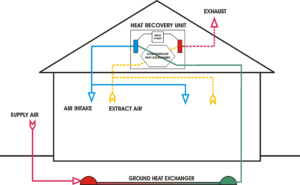
Heat Recovery Ventilation (HRV): Incorporate HRV systems to capture heat or coolth from outgoing exhaust air and transfer it to incoming fresh air. This preconditions the incoming air, reducing the energy required to reach the desired temperature.
-
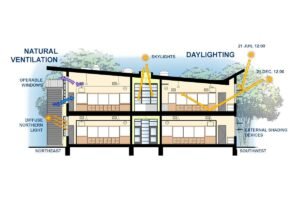
Natural Ventilation Strategies: Design the building to take advantage of natural ventilation whenever possible. Utilize operable windows, light shelves, and stack ventilation to introduce fresh air and reduce reliance on mechanical ventilation systems, particularly during mild weather conditions.
-
Ground-Source Heat Pumps (GSHPs): Consider GSHPs that utilize the stable temperature of the earth to provide both heating and cooling. This geothermal energy source offers a highly efficient and environmentally friendly alternative to traditional HVAC systems.
-
Building Automation Systems (BAS): Implement BAS to monitor and control the HVAC system. These intelligent systems can optimize settings based on real-time building conditions and occupant needs, further reducing energy consumption.
Additional Considerations for Green Buildings:
-
Building Envelope Optimization: A well-insulated and air-sealed building envelope minimizes heat transfer between the conditioned space and the outdoors. This significantly reduces the workload on the HVAC system for both heating and cooling.
-
Material Selection: Choose sustainable and low-emitting materials for construction and interior finishes. This minimizes off-gasing of pollutants that can impact indoor air quality, potentially reducing the need for increased ventilation.
-
Building Orientation and Landscaping: Strategically orient the building to maximize solar heat gain in winter and minimize it in summer. Utilize landscaping elements like trees and vegetation to provide shade and natural cooling effects.
Benefits of Green HVAC Systems:
-
Reduced Energy Consumption and Costs: By implementing these strategies, green buildings achieve significant reductions in energy consumption for HVAC systems, translating to lower operating costs.
-
Improved Indoor Air Quality: Green HVAC systems prioritize clean and healthy air, fostering a more comfortable and productive environment for occupants.
-
Reduced Environmental Impact: Lower energy use and potentially incorporating renewable energy sources contribute to a smaller carbon footprint for the building.
-
Building Sustainability: A green HVAC system is a cornerstone of a sustainable building, promoting resource conservation and environmental responsibility.
By understanding these details, you can appreciate how HVAC systems play a crucial role in creating a truly green building that prioritizes energy efficiency, occupant health, and environmental sustainability.
Looking to install a commercial HVAC System or Duct work in your Business Area?
Contact Vipul Ac to learn about our HVAC Service
Call +91 8000092000 Today.