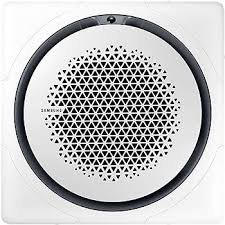
What Is a VRF System?
Variable Refrigerant Flow (VRF) is an advanced air conditioning technology that allows multiple indoor units to be connected to a single outdoor unit, with variable control over refrigerant flow.
Unlike traditional HVAC systems, VRF dynamically adjusts cooling or heating based on zone-wise requirements, making it smarter, more energy-efficient, and ideal for Indian climates.
Why VRF Is Gaining Massive Popularity in India
1. Rising Energy Costs Drive Demand for Efficiency
Electricity prices in India are rising steadily. VRF systems are designed to consume 30–40% less energy compared to traditional ducted or split systems.
-
Inverter compressors run only at required capacity
-
Zoned control prevents unnecessary cooling
-
Minimal power wastage in part-load conditions
Result: Lower operating costs, especially in commercial and residential high-rise buildings.
2. VRF Suits India’s Climate Diversity
From Delhi’s scorching summers to Bangalore’s mild weather, VRF adapts to regional variations with heat pump or heat recovery configurations.
-
Performs well even at 52°C+ outdoor temperature
-
Cooling and heating possible simultaneously in different zones
-
Ideal for all-season comfort
3. Rapid Urbanization and Vertical Growth
India’s cities—like Surat, Ahmedabad, Pune, Hyderabad—are moving vertically. VRF is perfect for:
-
Multi-floor apartments
-
IT parks
-
Hotels
-
Hospitals
-
Shopping malls
With long refrigerant pipe allowances (100–300 ft), VRF offers design flexibility traditional systems can’t match.
4. Smart Control = Smart Buildings
2026 is all about connected homes and buildings.
VRF systems now come with:
-
Mobile app control
-
AI-based cooling patterns
-
BMS integration (Building Management System)
-
Voice assistant compatibility (Alexa, Google Assistant)
Result: Centralized comfort management with real-time energy tracking.
5. Reduced Maintenance, Longer Lifespan
Modern VRF systems are:
-
Modular in nature
-
Easier to maintain due to decentralized indoor units
-
Equipped with self-diagnostic systems
With proper maintenance, VRF units can last 15–20 years with minimal downtime.
Technology Trends in VRF
| Trend | Description |
|---|---|
| AI-Powered Load Sensing | Auto adjusts cooling to room occupancy and usage |
| IoT-Enabled Remote Service | Brands offer real-time diagnostics & remote maintenance |
| R32 Refrigerant | Eco-friendly, high-efficiency refrigerant used widely |
| Smart Commissioning Tools | Faster, error-free installations using mobile apps |
| Modular Expansion | Start with fewer units, add more zones later |
Top VRF Brands Dominating Indian Market
| Brand | Known For | Origin |
|---|---|---|
| Daikin VRV | Pioneer in VRF tech, smart control | Japan |
| Mitsubishi Electric | Super silent, premium quality | Japan |
| O General VRF | Extreme cooling, commercial focus | Japan/UAE |
| Carrier VRF | Good for high-rises, balanced pricing | USA |
| LG Multi V | Sleek design, smart apps | South Korea |
Common Applications of VRF in India
-
IT Offices & Co-working Spaces
-
4-star & 5-star Hotels
-
Malls, Showrooms, and Retail Spaces
-
Hospitals and Medical Colleges
-
Luxury Villas and High-End Apartments
Final Thoughts: VRF Is the Future of HVAC in India
The shift toward sustainable, smart, and flexible HVAC is clear—and VRF systems are leading that change. With their unbeatable energy savings, adaptability, and user-centric control, they are no longer a luxury but a smart investment for India’s growing cities.
FAQ
1. What is VRF in HVAC?
VRF (Variable Refrigerant Flow) is an advanced HVAC system that uses refrigerant as the cooling medium and adjusts the flow based on demand. It provides high energy efficiency, precise temperature control, and simultaneous heating & cooling.
2. Why is VRF becoming popular in India?
VRF systems are gaining popularity in India due to:
- Rising electricity costs
- Demand for energy-efficient buildings
- Growth in commercial spaces like IT parks, malls, and hospitals
- Government push for green buildings
3. Is VRF better than traditional HVAC systems?
Yes, VRF systems are more efficient than traditional HVAC systems because they:
- Reduce energy consumption by up to 30–40%
- Offer zoning control (different temps in different rooms)
- Require less ductwork
- Provide quieter operation
4. Where is VRF commonly used in India?
VRF systems are widely used in:
- Commercial offices
- Hotels
- Hospitals
- Shopping malls
- High-end residential buildings
5. What is the cost of VRF system in India?
The cost of a VRF system in India typically ranges from:
- ₹1.2 lakh to ₹2.5 lakh per ton (approx)
Cost depends on:
- Project size
- Brand (Daikin, Mitsubishi, Toshiba, etc.)
- Installation complexity
6. Is VRF suitable for residential use?
Yes, VRF is ideal for luxury homes, villas, and large apartments where multiple rooms require independent temperature control.
7. What are the disadvantages of VRF systems?
Some limitations include:
- High initial cost
- Requires skilled installation
- Not suitable for small budget homes
8. Which is the best VRF brand in India?
Top VRF brands in India include:
- Daikin
- Mitsubishi Electric
- Toshiba
- LG
- Panasonic
9. How much energy can VRF systems save?
VRF systems can save 30% to 50% energy compared to conventional HVAC systems, especially in partial load conditions.
10. Is VRF the future of HVAC in India?
Yes, VRF is considered the future because of:
- Smart building integration
- Energy efficiency
- Environmental benefits
- Increasing urban infrastructure
📞 Need a VRF Expert in Surat or Gujarat?
Whether you’re building a commercial tower, luxury villa, or hospital—Vipul HVAC Solution Pvt Ltd provides:
-
Certified VRF design & installation
-
Daikin, O General, Carrier, Mitsubishi partnerships
-
Site visit, heat load calculation & proposal
📲 Book a free consultation today Call +91 8000392000
Looking to install a commercial HVAC System or Duct work in your Business Area?
Contact Vipul Ac to learn about our HVAC Service