
VRF system is to represent it as a huge scope ductless HVAC system that can perform at a high dimension. VRF systems can either be a heat recovery or heat pump system, which gives simultaneous cooling and heating.
Energy Efficiency: Carrier VRF systems are designed to provide efficient heating and cooling while optimizing energy consumption. They often include advanced technologies to enhance energy efficiency.
Flexible Zoning: VRF systems allow for individualized control of temperature in different zones or rooms, providing flexibility and energy savings.
Modular Design: VRF systems typically have a modular design, allowing for easy installation and scalability to meet the requirements of different-sized projects.
Quiet Operation: Carrier VRF systems are often engineered to operate quietly, minimizing noise levels within the building.
Advanced Controls: Carrier VRF systems may come with sophisticated control systems, allowing users to manage and monitor the system remotely. This can include features such as scheduling and temperature adjustments.
Reliability: Carrier is a well-established brand with a reputation for producing reliable HVAC solutions. Their VRF systems are generally designed to meet high standards of performance and durability.
Wide Range of Applications: Carrier VRF systems are suitable for various applications, including commercial buildings, hotels, residential complexes, and more.
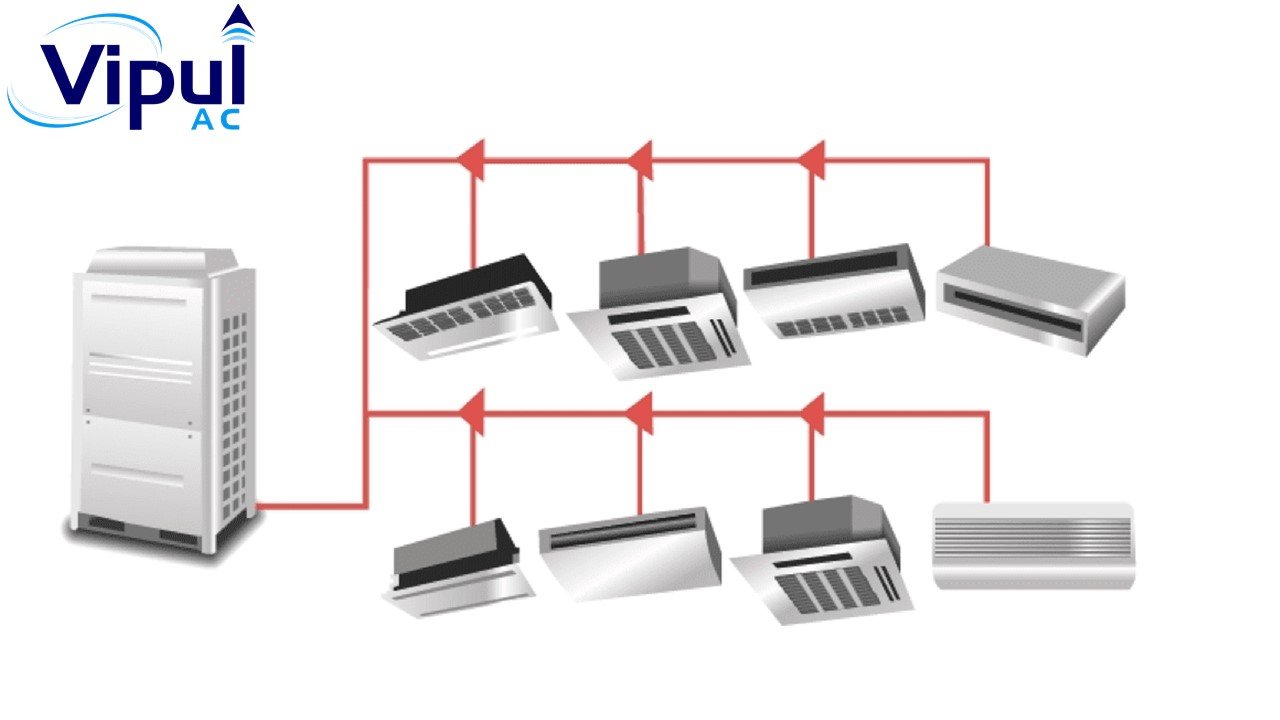
A VRF HVAC system can cool and heat various zones or rooms inside a structure simultaneously. If a suitable VRF system is chosen, building tenants can alter the temperature settings to their own preferences.
Not at all like some more established HVAC systems, VRF systems are incredibly silent. Introducing a VRF system has the additional advantage of decreasing surrounding sound both inside and outside of a structure.
Since VRF gear significantly less than ducted hardware, introducing a VRF system is simpler and requires less actual attempt than a standard HVAC system.